

Guarda la versione completa su YouTube: NEWSf1IT
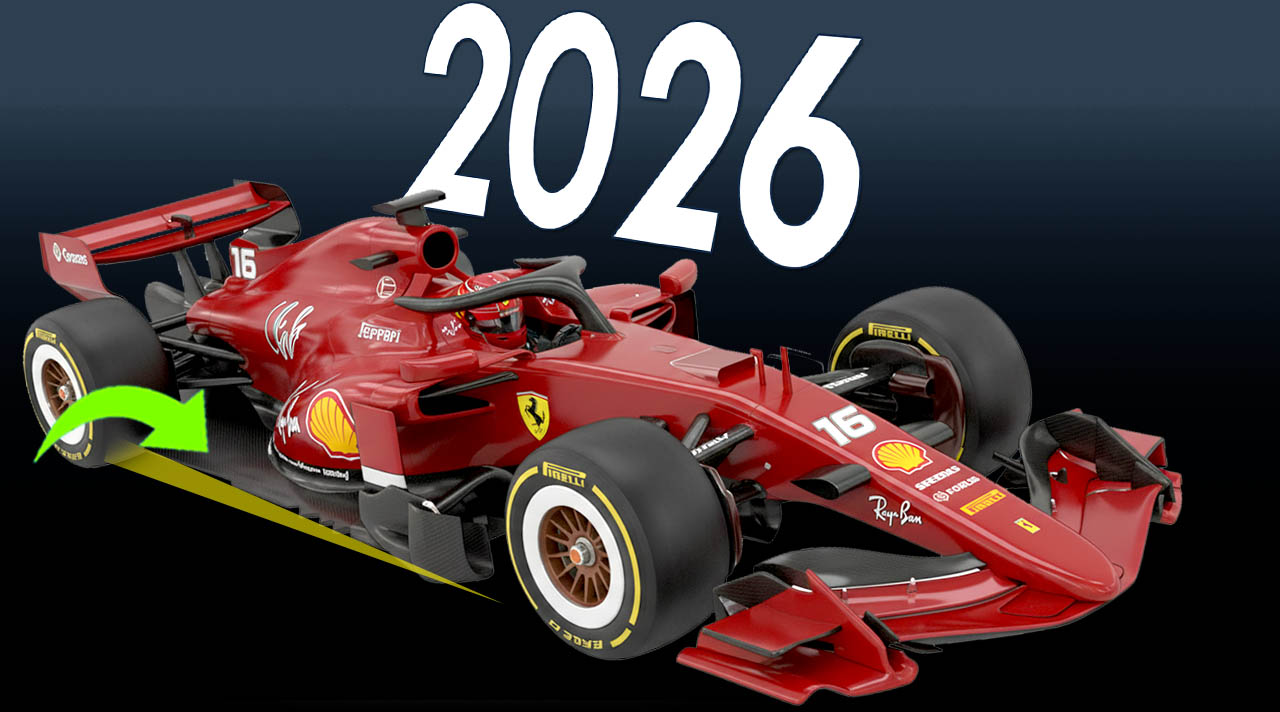
F1 2026 – From the experience of an aerodynamic designer at the Sauber Audi group: understanding “rake” and why it might not be the key for future single-seaters, despite floor changes.
As 2026 approaches, the world of Formula 1 is abuzz with radical regulatory changes, particularly those related to aerodynamics. Among the many discussions, a term that dominated technical debate for years resurfaces: “rake.” Will 2026 be the year of the inclined car setup’s return? To clarify, NewsF1.it turned to the exclusive perspective of Engineer Alberto Maggioni,
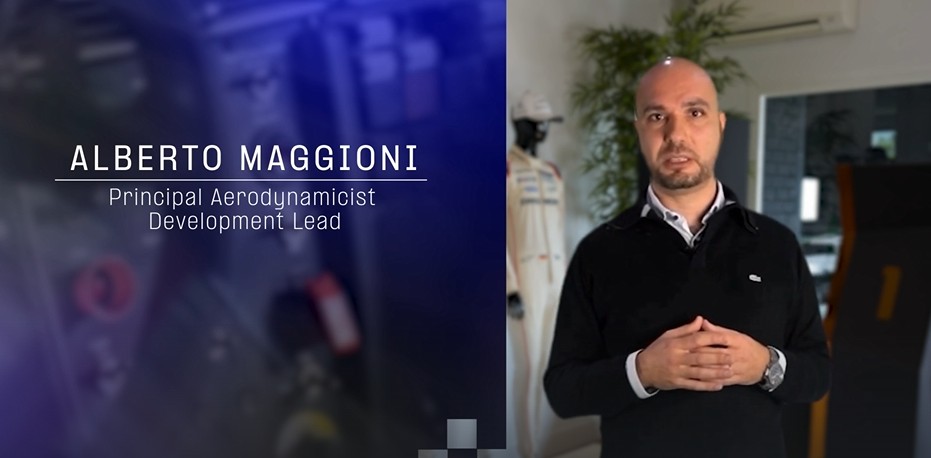
an aerodynamic expert within the Sauber Audi group with a long F1 career stretching back to 2009. His analysis offers a privileged insight into this fascinating aspect of design.
What is Rake and Why Was It Important (8:33 in the video)
For those not in the know, “rake” is an aerodynamic setup where the front of the car is lower than the rear, creating a slight upward inclination. As Engineer Maggioni explains, “fundamentally it’s a car setup that is done by lowering the front ride height as much as possible and tactically, mechanically raising the rear height.”
This setup was a dominant trend in the years preceding the current regulations (from 2018 to 2021), especially with the older car floor designs. Teams had discovered that by inclining the car this way, they could exploit the entire floor as a large expansion surface for airflow, generating a significant aerodynamic advantage and increasing downforce.
Flat Floor 2026: An Invitation for Rake?
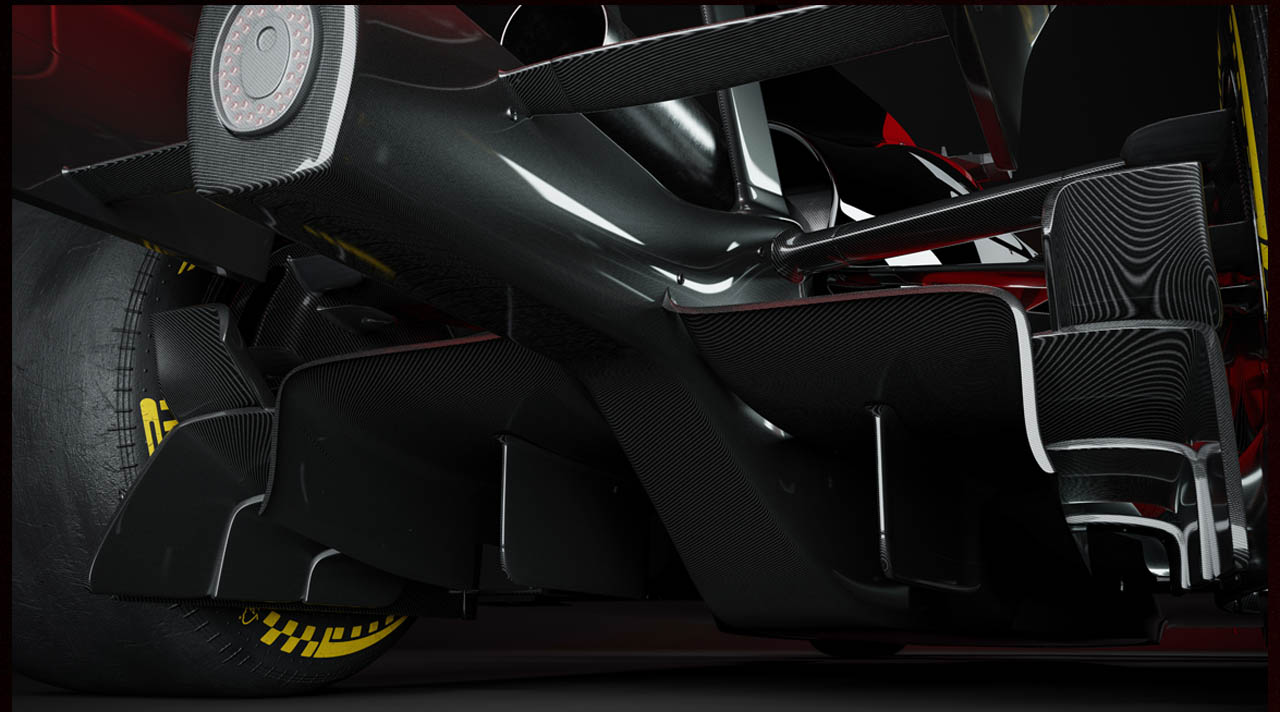
The new F1 2026 regulations call for the introduction of a flat floor, a significant change that could theoretically suggest a return to the rake concept. A flatter floor, in fact, was one of the conditions that historically made rake particularly effective in expanding airflow.
However, Engineer Maggioni offers a more nuanced and realistic analysis, based on his design experience. Despite the flat floor, there is another crucial element to consider for F1 2026 rake.
Why Engineer Maggioni Considers a Return of Rake Unlikely (8:33 – 10:55 in the video)
According to Maggioni, the diffuser of the F1 2026 cars, even with a flat floor, is “still quite generous.” This is the key detail. A generous diffuser is designed to efficiently expand airflow even with the car running low and flat, without needing a pronounced inclination.
“If this is possible, it is more advantageous to run the car low. On that, there are no doubts,” Maggioni asserts. His conclusion is clear: “I don’t believe, especially in the first year, that anyone will venture down that road.”
Initial simulations and tests by teams have likely already shown that the overall aerodynamic advantage is gained by keeping the car as low to the ground as possible, rather than introducing a high rake. Although the concept has been tested in the past, the specifications of the 2026 diffuser steer designers towards a solution with minimal ride height, making the F1 2026 rake a less probable option.
Consequences for F1 2026 Single-Seater Design
The choice of a setup with or without rake has enormous implications for the entire single-seater design. A low and flat setup maximizes ground effect and aerodynamic efficiency, especially in a context where the diffuser is already powerful. Maggioni’s experience suggests that teams will focus on optimizing this setup, avoiding the risk of venturing into less established paths in the first year of such complex regulations.
Conclusion:
“Rake,” while a fascinating and historically relevant concept in Formula 1, may not make a comeback in 2026, despite the flat floor. The analysis by Engineer Alberto Maggioni of the Sauber Audi group, with his decades of experience, indicates that the combination of a flat floor and a generous diffuser will favor low and stable setups. This orientation promises extremely efficient cars, but with design challenges that will require teams to extract every thousandth of a second from the new aerodynamic geometries for F1 2026 rake.