
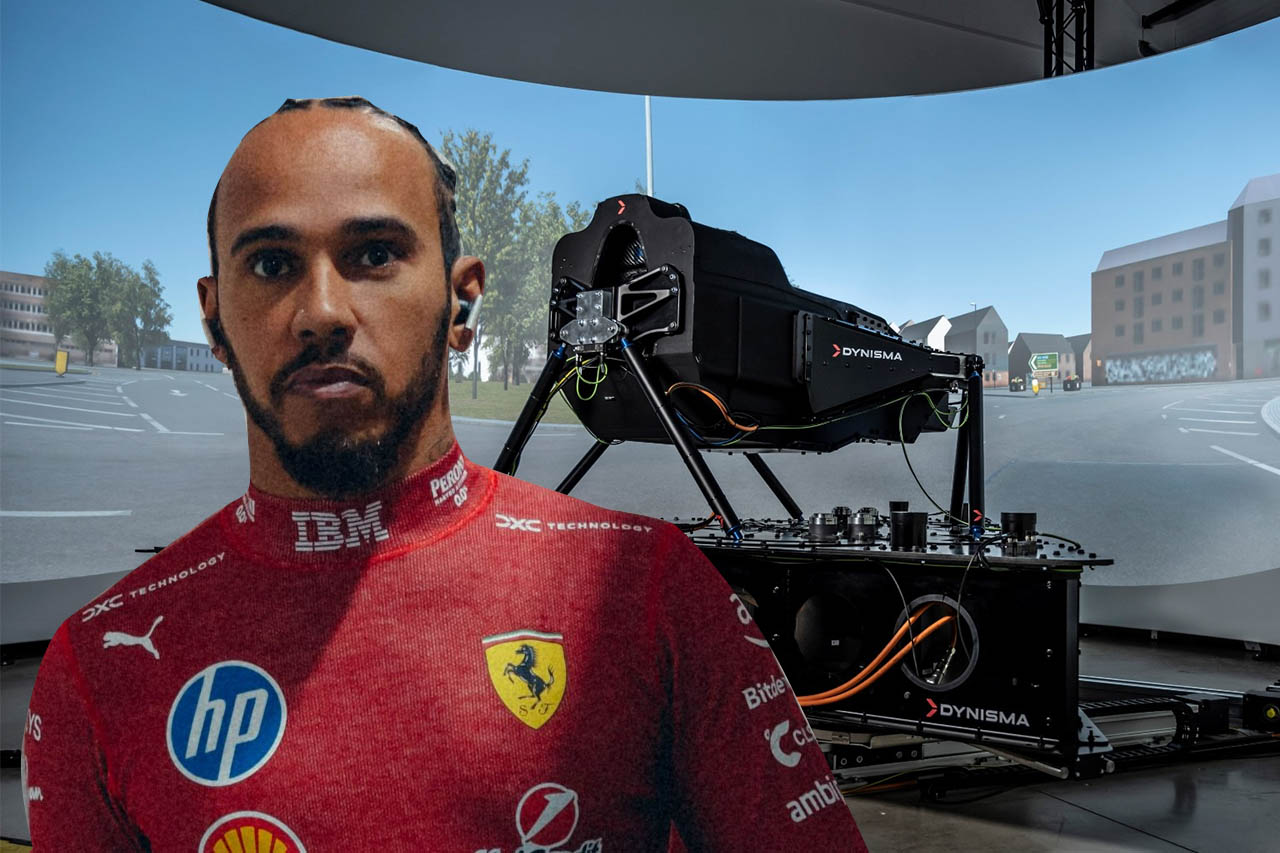
Ferrari F1 – There is a certain satisfaction in seeing facts confirm your words, especially when those words were initially met with skepticism.
Back on February 13, 2025, amidst the hype of Lewis Hamilton’s arrival at Maranello, NewsF1.it published an uncomfortable exclusive. While the world celebrated “paper world championships,” we reported the seven-time champion’s first real feedback: the real car (SF-24) was good, but the simulator was rejected without appeal.
At the time, we were accused of pessimism. Other outlets reassured fans, describing a “perfectly functioning” simulation department.
Today, December 16, 2025, reports confirm that Ferrari has just hired two specific technicians from Mercedes for the simulation and tyre modeling area. This move confirms, months later, that the problem existed exactly where Sir Lewis had pointed it out.
Reinforcements from Brackley: Who they are
Technical Director Loic Serra, formerly of Mercedes, has gone fishing in his old pond. These aren’t “rockstar” names like Newey, but crucial operational figures needed to change internal processes:
- Shaid Farzand: Former Senior Performance and Simulation Engineer at Mercedes. His specialty is the Tyre Modelling Group. Simply put: he is the man who needs to teach the simulator how Pirelli tyres actually behave—an area where Ferrari has suffered from chronic inconsistency.
- Giulia Zoppini: An Italian aerospace engineer, trained at the Polytechnic of Milan and TU Delft, with two years of experience at Brackley. She will focus on wind tunnel correlation, working on flow instabilities (crucial for the 2026 cars).
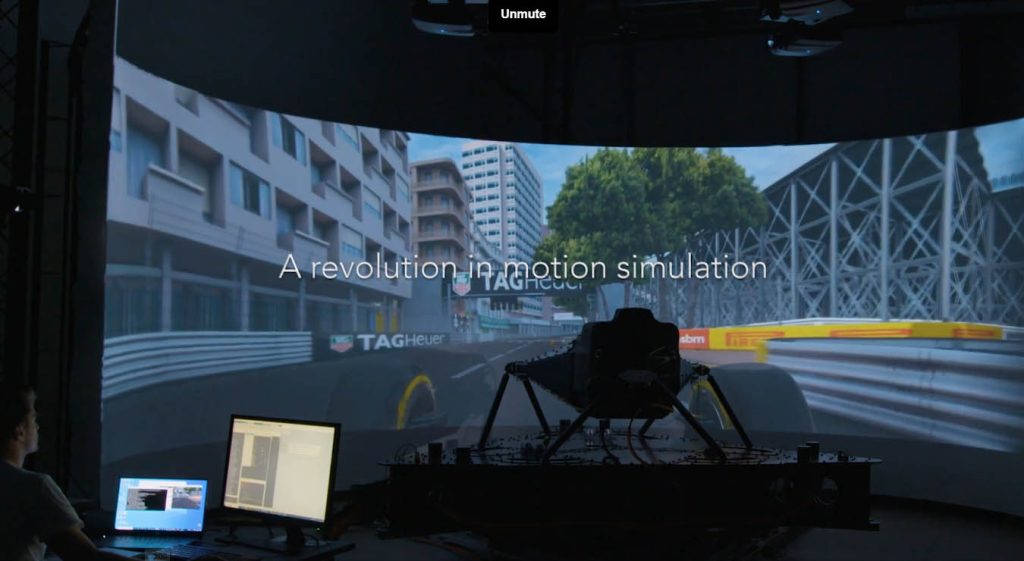
The Real Problem: The “Hardware Illusion” (PC Analogy)
We need to clarify a technical point here, as social media is full of misconceptions. Many fans believe Ferrari has an “old” or broken simulator. This is not the case.
Ferrari, like almost all top teams (including Mercedes), uses simulators based on Dynisma technology, which represents the state-of-the-art in low-latency hardware.
The problem isn’t the machine; it’s how it is used.
It’s the classic computer analogy: you can buy the most powerful PC in the world, but if you install poorly calibrated software or input “garbage” data (Garbage In, Garbage Out), you will get poor results. It’s not the computer’s fault, but the programmer’s.
Hamilton’s critique and Farzand’s arrival confirm that the flaw at Maranello was in the methodology:
- Inaccurate tyre input data.
- Correlation software less refined than Mercedes’.
- A disconnect between virtual sensations and the real track.
A simulator isn’t a video game where graphics card power is all that matters; it is a scientific instrument that is only as good as the data engineers feed into it. Evidently, Brackley knew how to “program” the virtual experience better than Maranello.
Conclusion: Hamilton is not just Marketing
This market move proves another truth we anticipated: Lewis Hamilton didn’t come to Maranello just to sell t-shirts.
His technical impact is tangible. He identified a structural weakness (simulation know-how) and pushed for it to be resolved, leading the team to hire the right people to correct the course ahead of the 2026 regulations.
We were right in February, and the facts of December confirm it. The hope now is that these corrections arrive in time to make the next single-seater not just beautiful, but finally victorious.
Don’t miss our technical deep dives. Subscribe to our YouTube Channel for the latest F1 analysis.