F1 2026 technical analysis: the Cadillac concept brings back the “Cape” under the nose to recover downforce lost with flat floors and smaller wings.
As Formula 1 heads toward the 2026 regulatory overhaul, early concept images—most notably the Cadillac proposal—highlight a surprising technical revival. The return of the “Cape”, the aerodynamic mantle beneath the nose, suggests teams are already searching for solutions to recover downforce lost due to smaller wings and a flat floor. This element, once mastered by Mercedes, could become central to the new aerodynamic philosophy.
F1 2026 and the FIA’s aerodynamic reset
The 2026 regulation package represents one of the most radical aerodynamic shifts in Formula 1 history. The FIA’s primary objective is clear: reduce wake turbulence to improve overtaking, even at the cost of absolute aerodynamic efficiency.
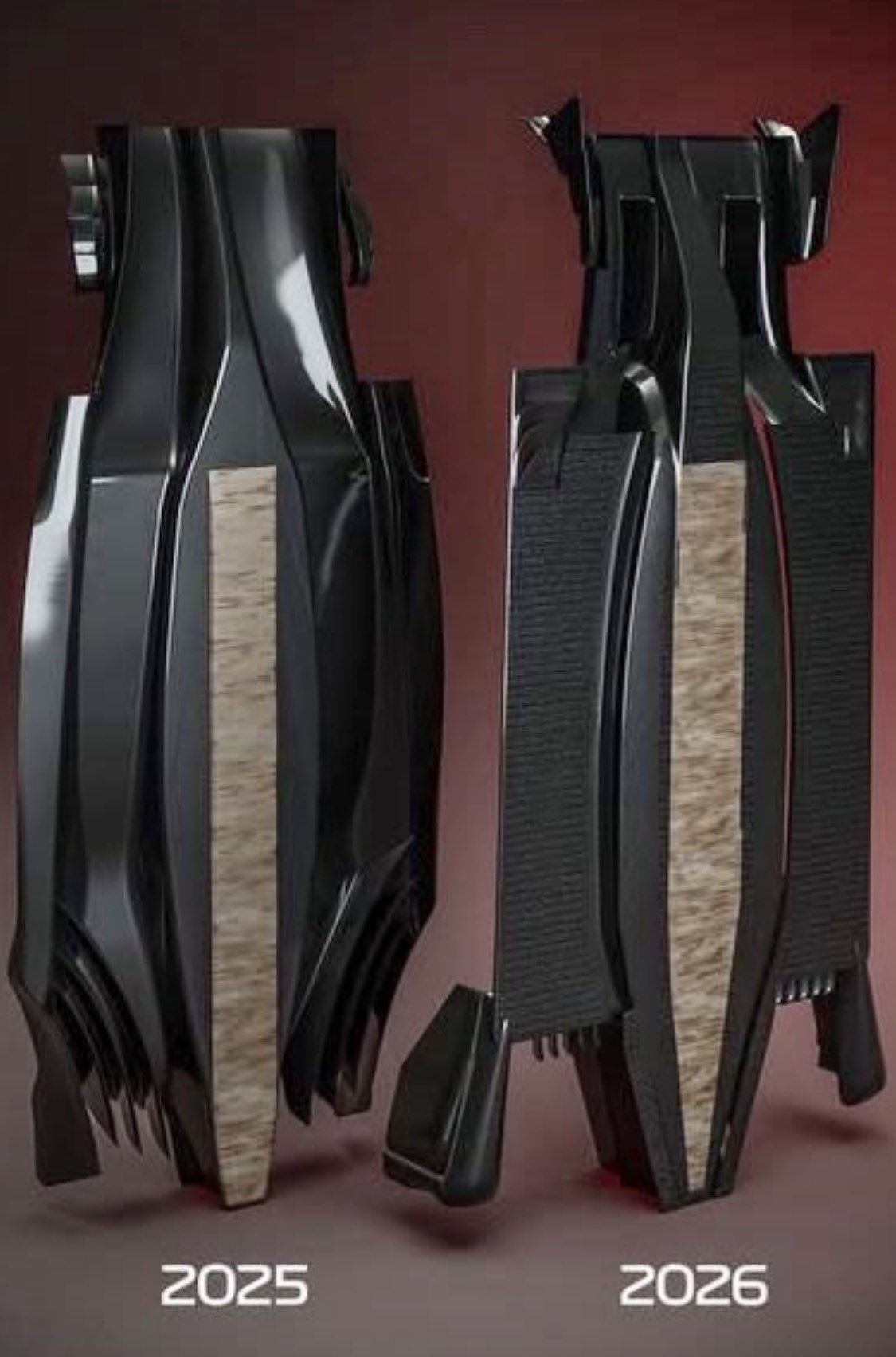
To achieve this, front and rear wings are significantly simplified and reduced in size, while the ground-effect tunnels that define the current era are largely removed in favor of a flat floor. The immediate consequence is a substantial loss of downforce, particularly at the front axle.
The Cadillac concept and the surprise return of the “Cape”
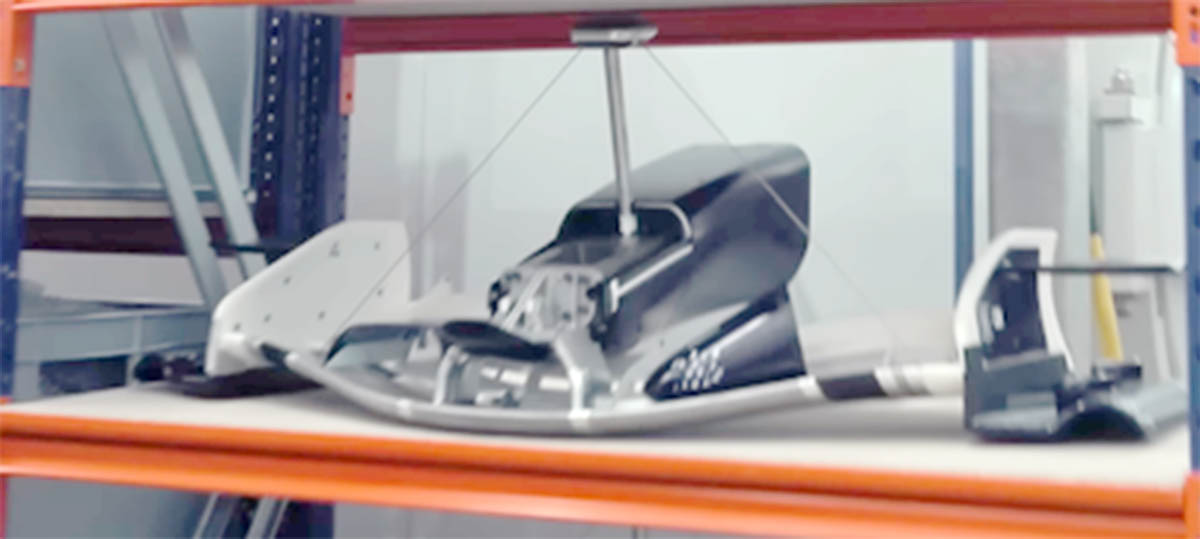
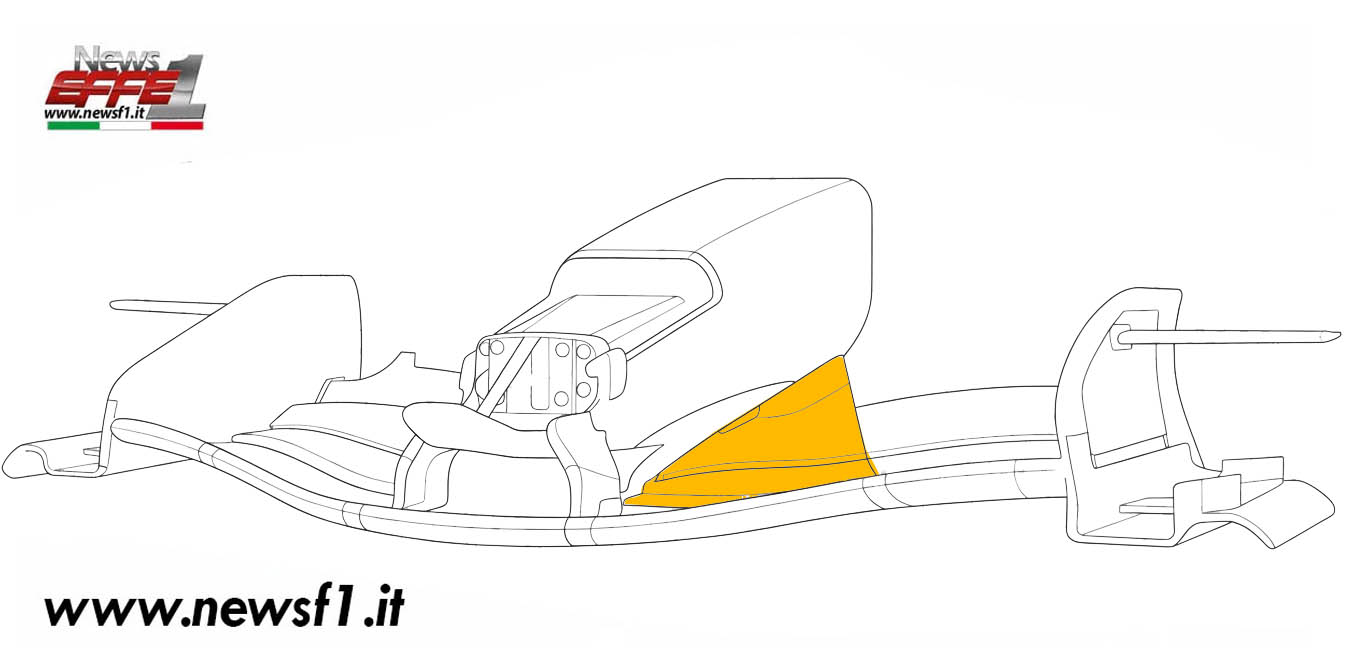
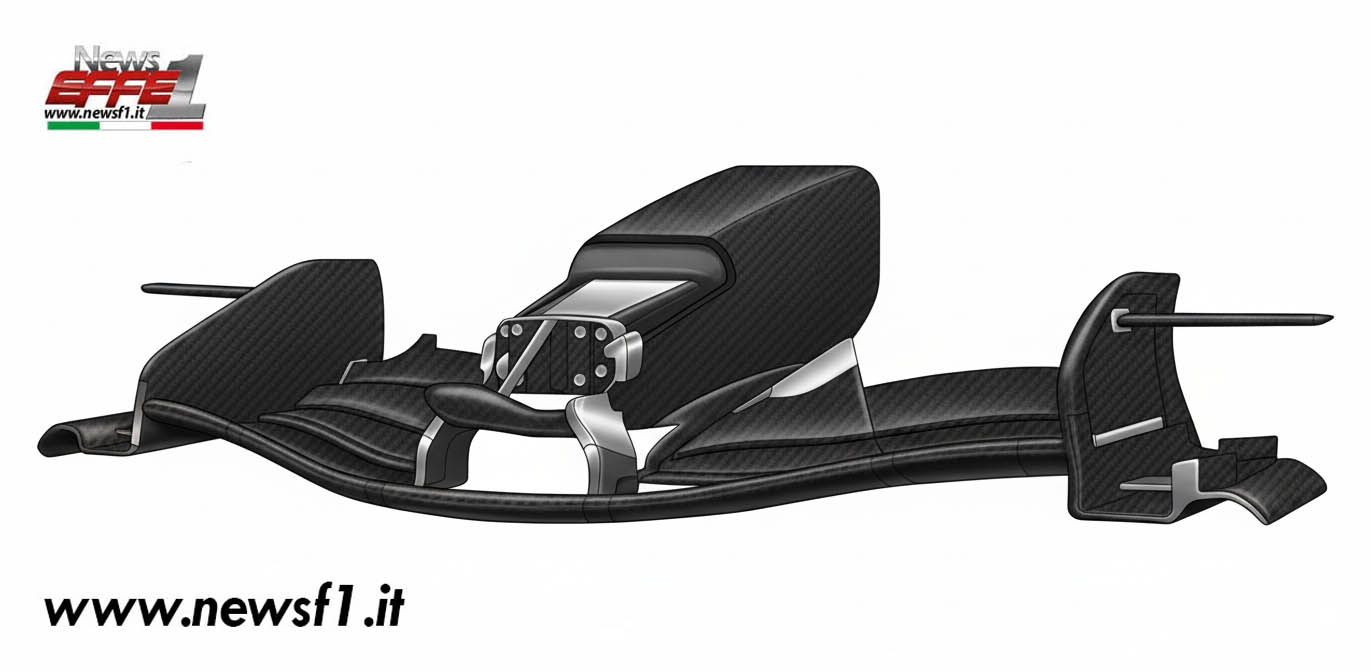
Among the first visual interpretations of the new rules, the Cadillac concept stands out for a familiar yet unexpected feature: the “Cape”, also known as the aerodynamic mantle beneath the nose.
This solution was previously developed and refined by Mercedes in the pre-2022 era, where it functioned as a secondary aerodynamic surface positioned below the chassis. Its reappearance is not nostalgic, but rather a direct response to the constraints imposed by the 2026 regulations.
Why the Cape matters with a flat floor
With the drastic reduction of Venturi-generated ground effect, the 2026 cars will suffer from a chronic lack of suction toward the track surface. The flat floor increases sensitivity to ride height, surface irregularities, and flow separation.
In this context, engineers must generate downforce wherever regulations allow. The Cape offers several key advantages:
Local downforce generation
By creating a low-pressure zone beneath the nose, the Cape increases front-end load without relying on complex wing elements.
Flow conditioning
The mantle helps guide airflow toward the leading edge of the flat floor in a more controlled and organized manner, partially compensating for the absence of Venturi channels.
Controlled vortices
Although the FIA aims to “kill vortices,” complete elimination is unrealistic. The Cape can generate small, controlled vortical structures that help seal the underfloor aerodynamically, improving overall efficiency.
Managing airflow in the 2026 configuration
Reconstructed images of the Cadillac concept show a thicker, more arched central section of the front wing. This geometry suggests a compromise between flow cleanliness and load generation.
The real challenge will be integrating the Cape with active aerodynamics systems such as X-Mode and Z-Mode. Maintaining consistent aerodynamic balance while switching configurations could become one of the defining technical battles of the new era.
A step forward or a step back?
The return of the Cape indicates that F1 2026 will not be a clean break from the past, but rather a hybrid evolution. Flat floors reminiscent of older regulations force teams to revisit concepts once thought obsolete.
As highlighted in our technical video, surface roughness and micro-oscillations of the chassis can generate unwanted vortices and energy losses. Solutions like the Cape may prove essential to prevent aerodynamic stall and performance inconsistency.
Final analysis
The Cadillac concept suggests that the search for lost downforce in 2026 will rely less on brute-force wings and more on subtle flow management. The Cape could become a defining feature of the new generation of Formula 1 cars.
Whether this approach will deliver performance levels comparable to the current era—or lead to a visually cleaner but slower Formula 1—remains an open question.
To stay up to date with the latest Formula 1 news, technical analysis and in-depth features, visit https://www.newsf1.it/category/f1-news-english/ and subscribe to our YouTube channel https://www.youtube.com/@NEWSf1IT.