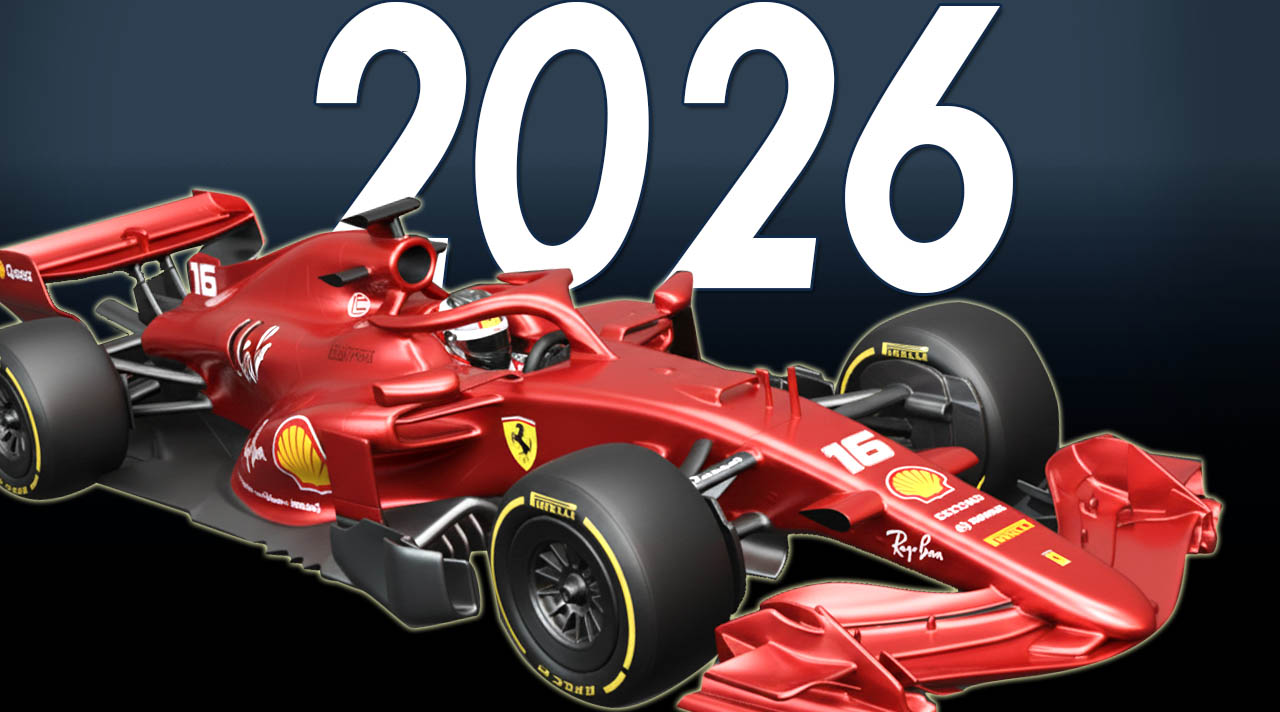
The new F1 2026 regulations are generating intense debate and anticipation. After a long period of negotiation and development, the FIA has officially unveiled the framework that will shape the future of the sport. While the stated goal is to make F1 more sustainable, spectacular, and competitive, the proposed changes, particularly concerning aerodynamics and engines, raise significant questions.
The “Agile Car” Concept: Less Downforce, More Active Aerodynamics
At the heart of the 2026 aerodynamic philosophy is the “agile car” concept. This involves a drastic reduction in vehicle dimensions and a significant cut in downforce. Specifically:
- Weight Reduction: Cars will be 30kg lighter (from 798kg to 768kg).
- Dimensions:
- Wheelbase reduced from 3600mm to 3400mm.
- Width reduced from 2000mm to 1900mm.
- Floor width reduced by 150mm.
- Downforce Reduction: A massive 30% reduction in downforce and a 55% decrease in drag. This aims to improve straight-line speed and reduce the “dirty air” effect, making overtaking easier.
The most revolutionary aspect is the introduction of active aerodynamics. Cars will feature movable front and rear wings (“Z-mode” for normal racing and “X-mode” for straights with lower drag). This dynamic system will be crucial for managing the car’s performance on different parts of the track, reducing drag on straights to compensate for lower power from the hybrid system (as we’ll see).
However, many experts express concerns. Less downforce could make the cars much more challenging to drive, especially in corners, potentially leading to more mistakes and a different driving style. Will this translate into more exciting racing or just more difficult ones?
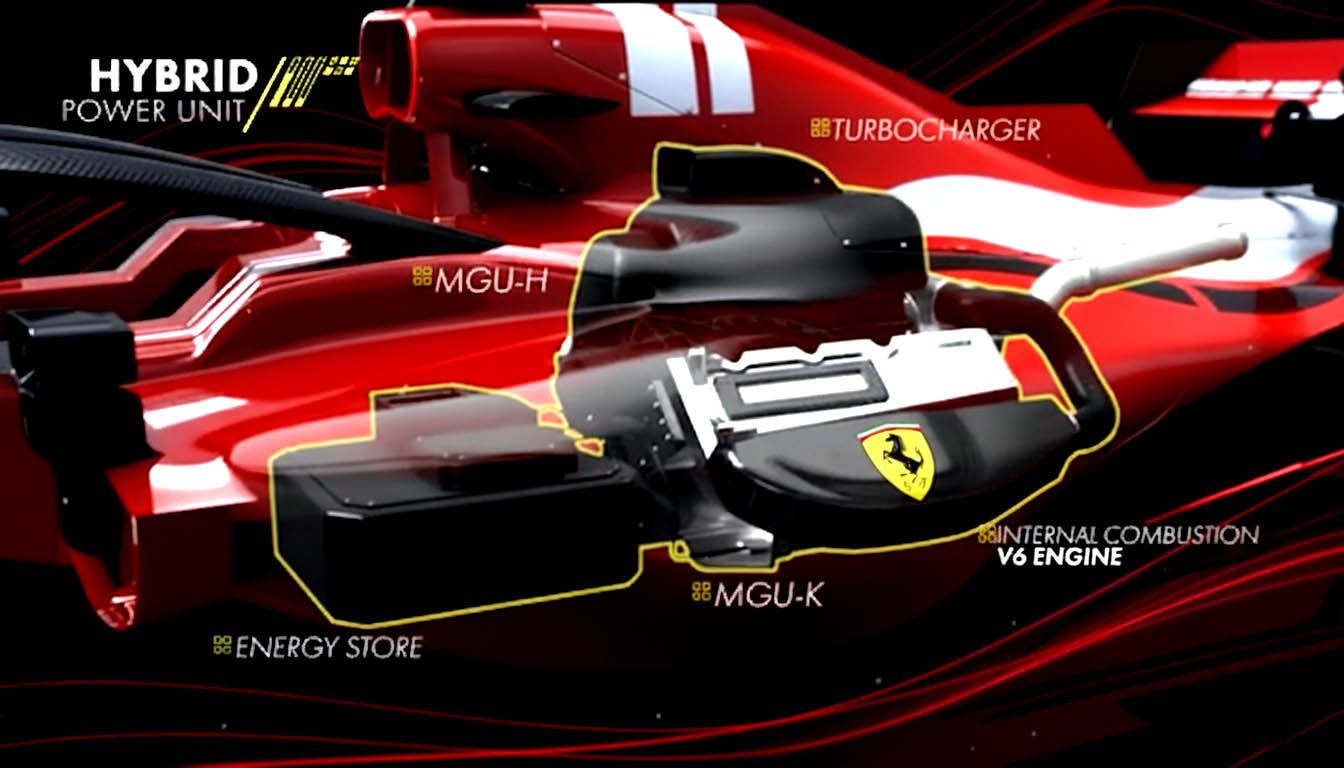
The New Power Units: More Electric Power, MGU-H Removal
The 2026 engines are the core of the new technical revolution. The goal is clear: increase the electric component while making the powertrain more relevant for road car technologies.
- Internal Combustion Engine (ICE): Power will drop from 550-560 kW to 400 kW.
- Electric Power: The electric component will increase dramatically, from 120 kW to 350 kW (almost 50% of the total power).
- MGU-H Removal: The controversial MGU-H (Motor Generator Unit – Heat) will be eliminated. This complex component, which converted exhaust heat into electrical energy, was a significant barrier to entry for new manufacturers. Its removal aims to attract new brands like Audi (though they joined early) and potentially others.
- “Override Mode”: Similar to push-to-pass, this will allow drivers to deploy additional electric power on straights to aid overtaking.
The Main Concern: The “Disaster” of Downshifts on Straights?
One of the biggest worries, as highlighted by many analysts, is the drastic reduction in ICE power combined with the increased electric component, especially on straights. With the MGU-H gone, the electric battery will need to be constantly recharged through braking and the remaining MGU-K (Kinetic).
The fear is that on long straights, the electric power might deplete before the end of the straight, forcing drivers to downshift multiple gears to keep the ICE in its optimal power band and recharge the battery. This could lead to:
- Dangerous situations: Suddenly losing power and needing to downshift drastically at high speeds could be hazardous.
- Unnatural racing: Drivers constantly managing energy might detract from pure racing.
- Impact on Spectacle: A car that suddenly slows down on a straight due to energy depletion could be confusing and less exciting for fans.
The FIA’s response is that the active aerodynamics (X-mode) will mitigate this by drastically reducing drag, making the cars faster even with less power. However, the theoretical models still show potential issues.
Fuel and Sustainability
The 2026 regulations will also introduce fully sustainable fuels, a crucial step towards the environmental goals of Formula 1. This is a universally praised change and positions F1 at the forefront of automotive innovation.
Potential Impact on Racing and Driver Skill
The “agile car” and new power units will demand a different skill set from drivers. Energy management will be paramount, and the ability to adapt to active aerodynamics will be key. While this could highlight driver talent, there’s a risk of the racing becoming overly technical and less intuitive.
The hope is that these F1 new rules will achieve their objective of closer racing and more overtaking. However, the complexity of the changes, particularly the energy management on straights, casts a long shadow. Will the 2026 season be a new golden era for Formula 1, or are we heading for an announced “disaster” of a different kind? Only time, and extensive testing, will tell.
For more in-depth analysis and daily F1 news, visit NewsF1.it and subscribe to our YouTube channel NEWSf1IT.