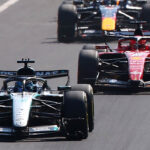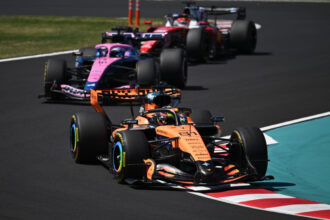

ABU DHABI, UNITED ARAB EMIRATES - DECEMBER 09: Charles Leclerc of Monaco driving the (16) Scuderia Ferrari SF-25 drives on track during F1 Testing at Yas Marina Circuit on December 09, 2025 in Abu Dhabi, United Arab Emirates. (Photo by Rudy Carezzevoli/Getty Images)

F1 2026 Active Aero Explained: Ferrari & Mercedes Tests, X-Mode and Z-Mode

Guarda la versione completa su YouTube: NEWSf1IT

F1 2026 Exclusive insight from aerodynamic engineer Alberto Maggioni on the “mule” cars seen in Abu Dhabi and the upcoming revolution: “Corners like Eau Rouge might not be flat-out anymore.”

We are looking at the initial attempts to correlate data for the massive Active Aerodynamics revolution. While we are used to the current DRS, in two years, everything will change with the introduction of two key concepts: Z-Mode and X-Mode.
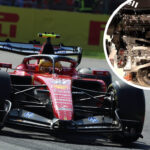
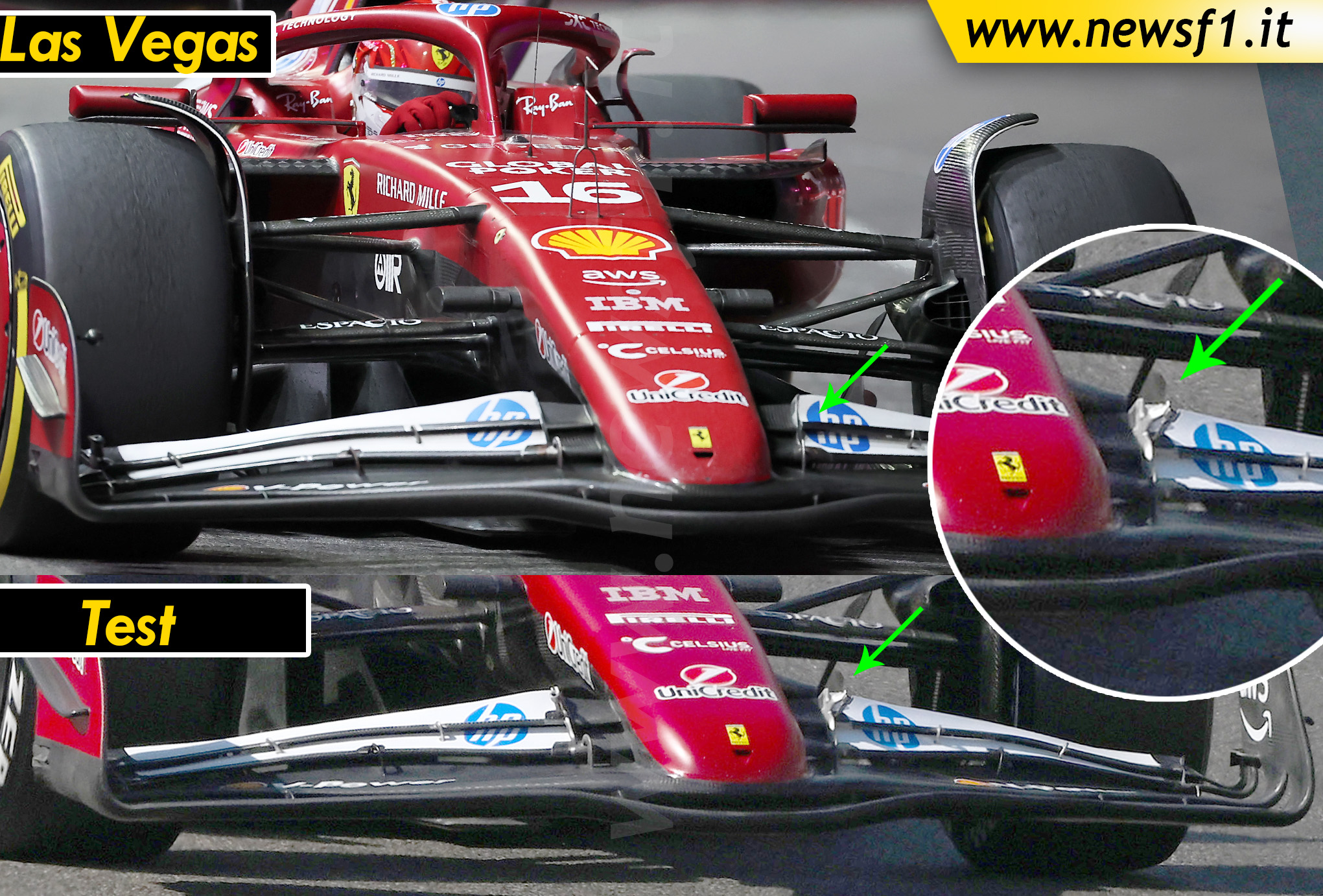
Ferrari ala ricostruzione foto credits Media Pirelli
Ferrari ala ricostruzione foto credits Media PirelliBeganovic of Sweden driving the (38) Scuderia Ferrari SF-25 drives on track during F1 Testing at Yas Marina Circuit on December 09, 2025 in Abu Dhabi, United Arab Emirates. (Photo by Rudy Carezzevoli/Getty Images)

Thanks to the insights of aerodynamic engineer Alberto Maggioni (Sauber Group and co-founder of RGB Motor Academy), who spoke exclusively to Newsf1.it, let’s break down what lies behind these tests and how driving styles will have to adapt.

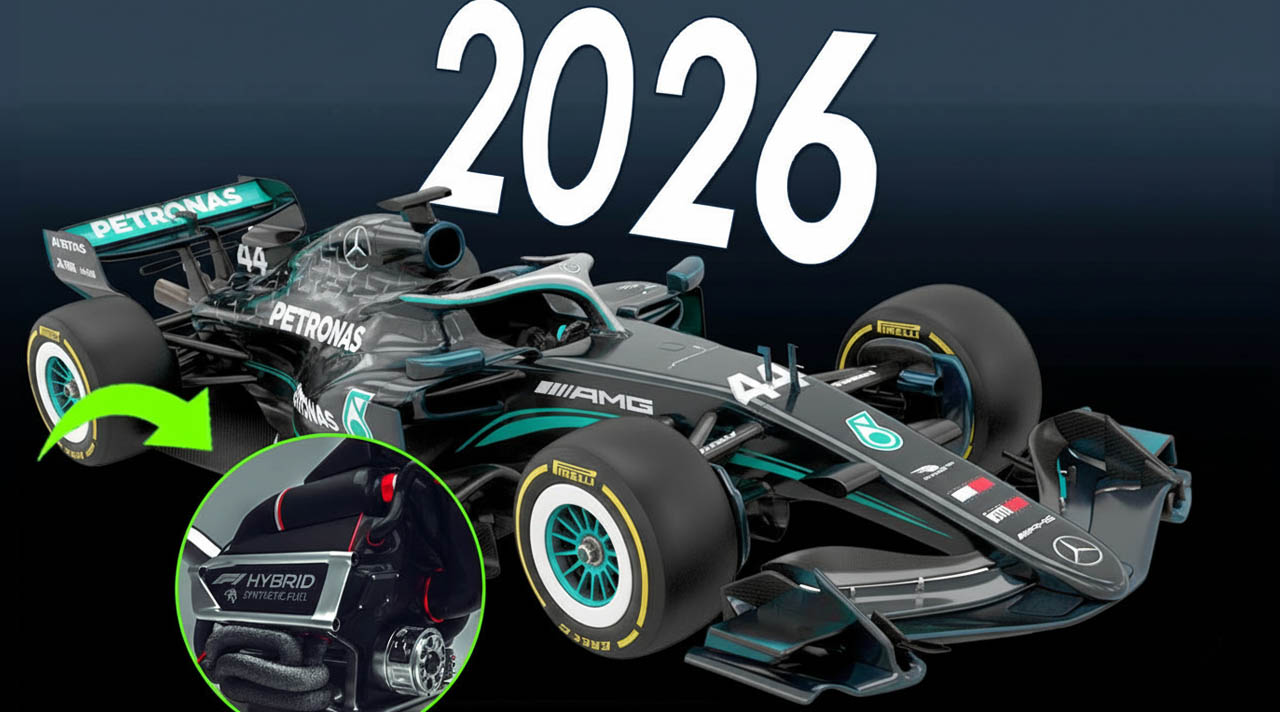
F1 2026 Z X Mode
F1 2026 Z X Mode

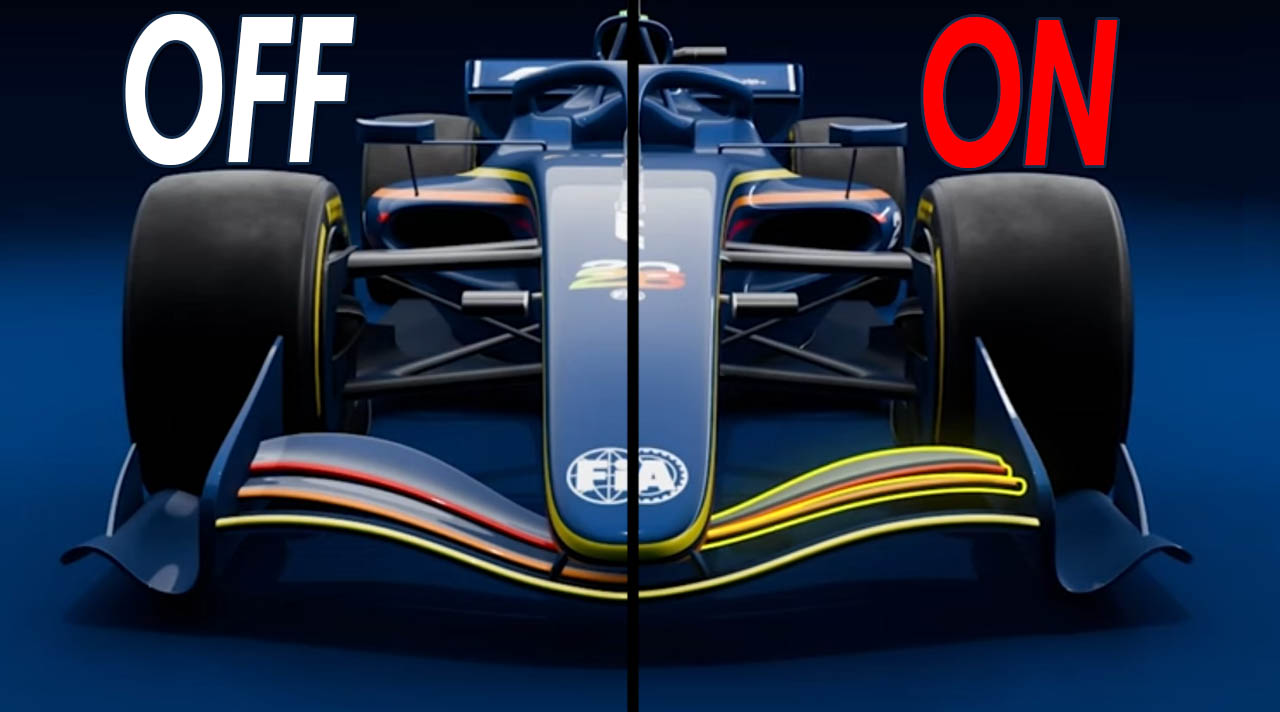
Z-Mode and X-Mode: How Active Aero Works

The 2026 regulations will eliminate the DRS as we know it today, introducing a much more complex air management system.

  • Z-Mode (Standard/High Downforce): This is the “closed” configuration. Both wings (front and rear) are set to generate maximum downforce. This is the mode drivers will use during cornering and technical sections.
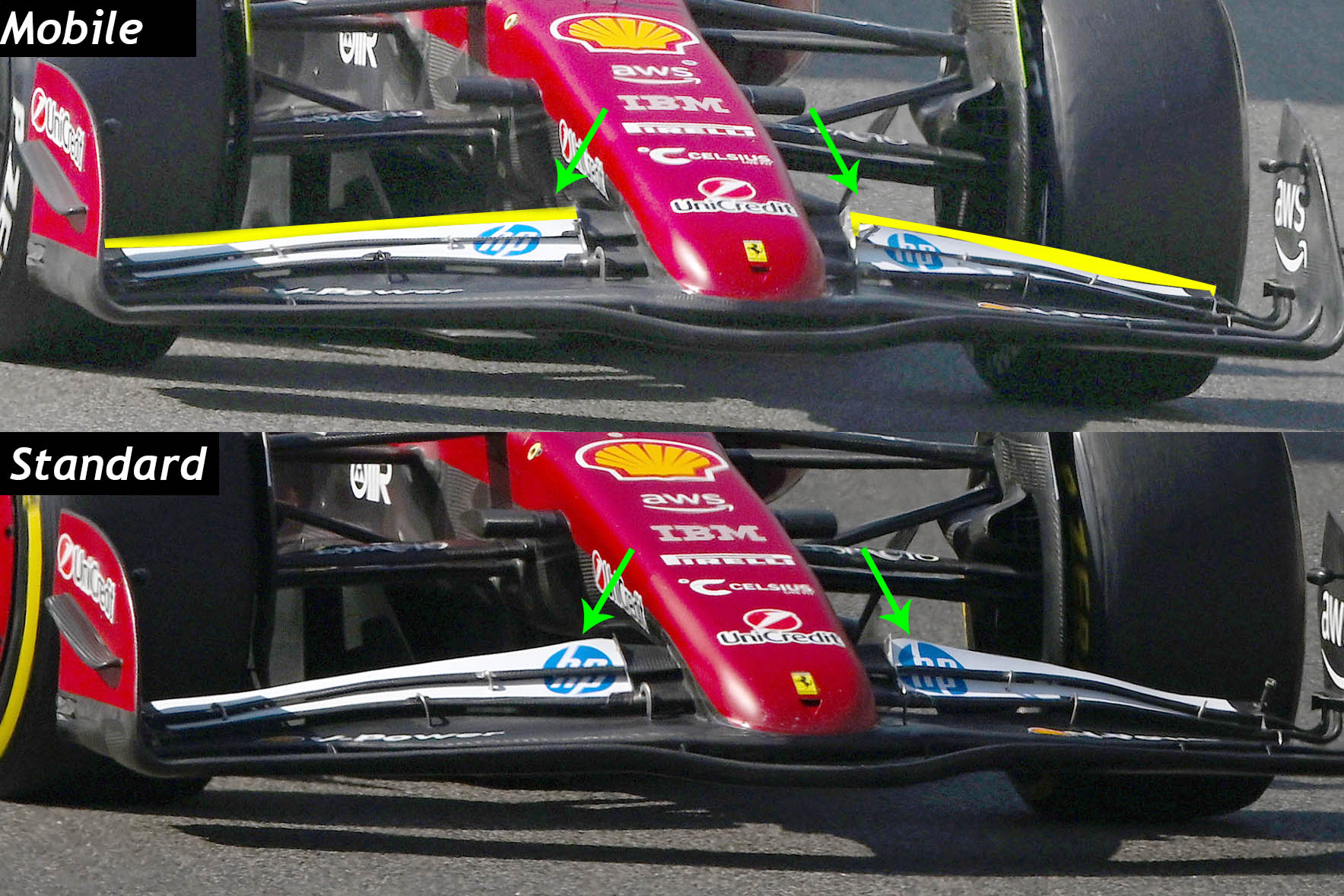
  • X-Mode (Low Drag): This is the “open” configuration for straights. Here lies the revolution: not only will the rear wing open, but the front wing flaps will also move to drastically reduce drag.

“The FIA’s idea is to compensate for the loss of cornering speed by making the cars incredibly fast on the straights,” explains Engineer Mangioni. The 2026 cars will have less base downforce compared to the current generation, potentially making them slower over a single lap, but “missiles” on the straights.

Why Are the Abu Dhabi Tests Crucial?

What teams like Ferrari and Mercedes are trying to understand with these “hybrid” tests (new wings on old cars) is aero balance.
Activating X-Mode means suddenly shedding downforce. If this doesn’t happen in perfect synchronization between the front and rear, the car becomes unstable. Teams are gathering data to ensure that in 2026, the cars don’t become undriveable during the transition between the two modes.

Impact on Drivers: “Talent Will Matter More”

The most intriguing part of Mangioni’s analysis concerns driving style. Today, F1 cars generate so much downforce that legendary corners like Eau Rouge – Raidillon at Spa are taken flat-out by every driver, in almost any car.

In 2026, this might end.

F1 2026 ing. Alberto Maggioni


“The cars will have less downforce in corners and will be harder to handle,” warns Mangioni. “It is likely that corners like Eau Rouge won’t be flat-out anymore. This means the gap between drivers will widen. Only the best will be able to push these cars to the limit.”

A Harder, More Spectacular F1?

Liberty Media and the FIA seem to have a clear goal: remove the engineering “perfection” that makes current cars run on rails and reintroduce variability.
If today a “standard” driver can blindly trust the car in high-speed corners, tomorrow they will have to manage a beast that “glides” on straights thanks to X-Mode but requires sensitivity and bravery under braking and corner entry.
The “monsters” seen in Abu Dhabi look ungainly and preliminary, but they hide the secret to a Formula 1 where the driver might, finally, make the difference again.

See Full video
F1 News - Notizie Formula 1, Auto e Motorsport